01
Creative concept
We develop an idea based on the brand, product and audience rather than starting with a catalogue of attractions.
Brand activations / live experiences / experiential marketing
We design and produce brand activations that give people a reason to stop, engage and experience a brand beyond the screen — from pop-ups and product launches to roadshows and special live formats.
Tell us about your event →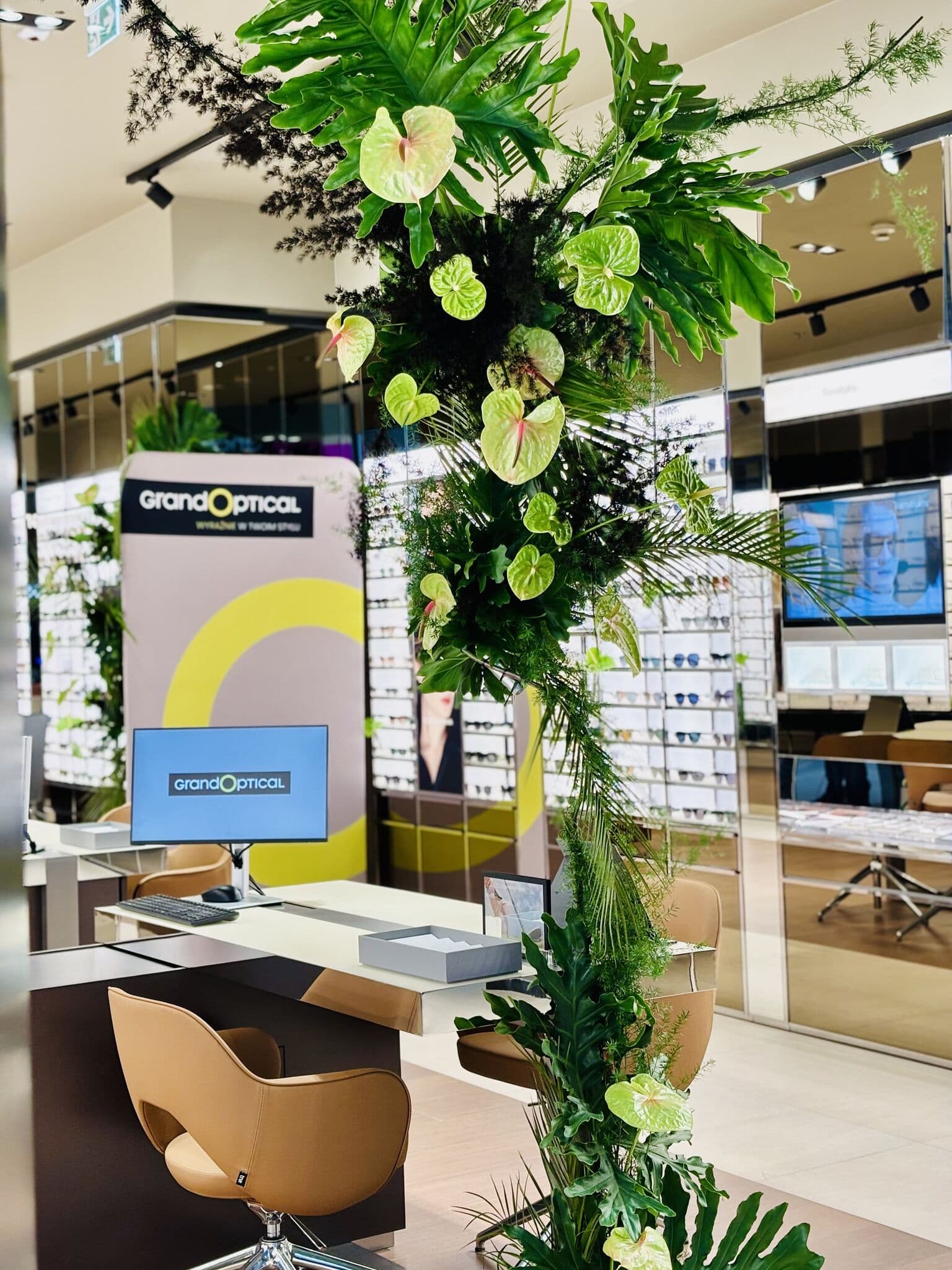
Brand activation
A logo, a promoter and a display can make a brand physically present in a busy space. But presence alone does not create engagement. The real question is what makes a person stop, become curious and choose to interact.
That is why we treat brand activation as experience design. We start with the audience and the behaviour we want to encourage: trying a product, starting a conversation, entering a space, taking part in an activity or sharing the experience further.
MOVYTZA combines creative direction with production. We can design a single activation or a repeatable format for multiple locations, bringing together space, set design, technology, people and logistics around one clear idea.
Production scope
We can lead the entire process or take responsibility for a selected stage. The scope follows the campaign objective, location and the way the brand wants to meet its audience.
01
We develop an idea based on the brand, product and audience rather than starting with a catalogue of attractions.
02
We design what people actually do: enter, test, talk, create, react, participate or share.
03
We create the physical brand environment — from compact promotional zones to pop-ups, showrooms and larger installations.
04
We coordinate set construction, branding, print, multimedia, equipment, technology and everything needed to launch the activation.
05
We select people for the role they play in the experience, not simply to stand next to branded material.
06
Screens, interactive tools, light, sound and digital solutions are used when they genuinely strengthen the idea.
07
We coordinate transport, installation, schedules and multiple locations, designing repeatable systems for multi-city projects.
08
We run the activation in real conditions and make sure the experience works with actual participant behaviour.
Why MOVYTZA?
Brand activation can easily become a collection of separate elements. Every element may be correct while the whole still gives people no reason to engage.
We look at activation through a director's lens: the first seconds of contact, the decision to enter, the rhythm of the experience and the moment when a passer-by becomes a participant.
we start with the audience and the brand objective
we combine creative thinking with production reality
we design participant behaviour, not only the look of the space
we can scale formats across multiple locations
we combine physical space, people and technology
we design for real participant flow
Experience
GRAND OPTICAL
Promotional activations combining physical brand presence, direct audience contact and production in high-footfall shopping environments.
SHEIN
A multi-location promotional format combining audience experience with logistics and repeatability across locations.
THEY / CASHLESS POLAND FOUNDATION
A roadshow showing how a live format can communicate a service, an idea and a direct relationship with audiences.
Let's start with a few questions
That's enough to begin. Tell us what you know about the event and we'll help structure the rest.
Fill in the event brief →Knowledge
A good activation starts before production. First we need to know who we are speaking to, what we want people to do and why they should give the brand their time.
FAQ
It is a designed interaction between a brand and people in a physical environment. The key is not simply showing a logo, but giving people something meaningful to do or experience.
Yes. We can start with the marketing objective, product, audience and budget, then develop the concept, activation mechanics, space and production plan.
Yes. For multi-location projects we design the format for transport and repeatability while deciding which elements should travel and which are better sourced locally.
No. Technology is a tool, not a requirement. Sometimes an interactive installation helps; in other cases human interaction is more effective.