6 MIN READ
Product launch planning: connect the presentation, hands-on experience and conversation
PUBLISHED
Author: Wojciech Chowaniec
The reveal is the beginning. Connect the presentation, product trials and conversations so guests understand what to do next.
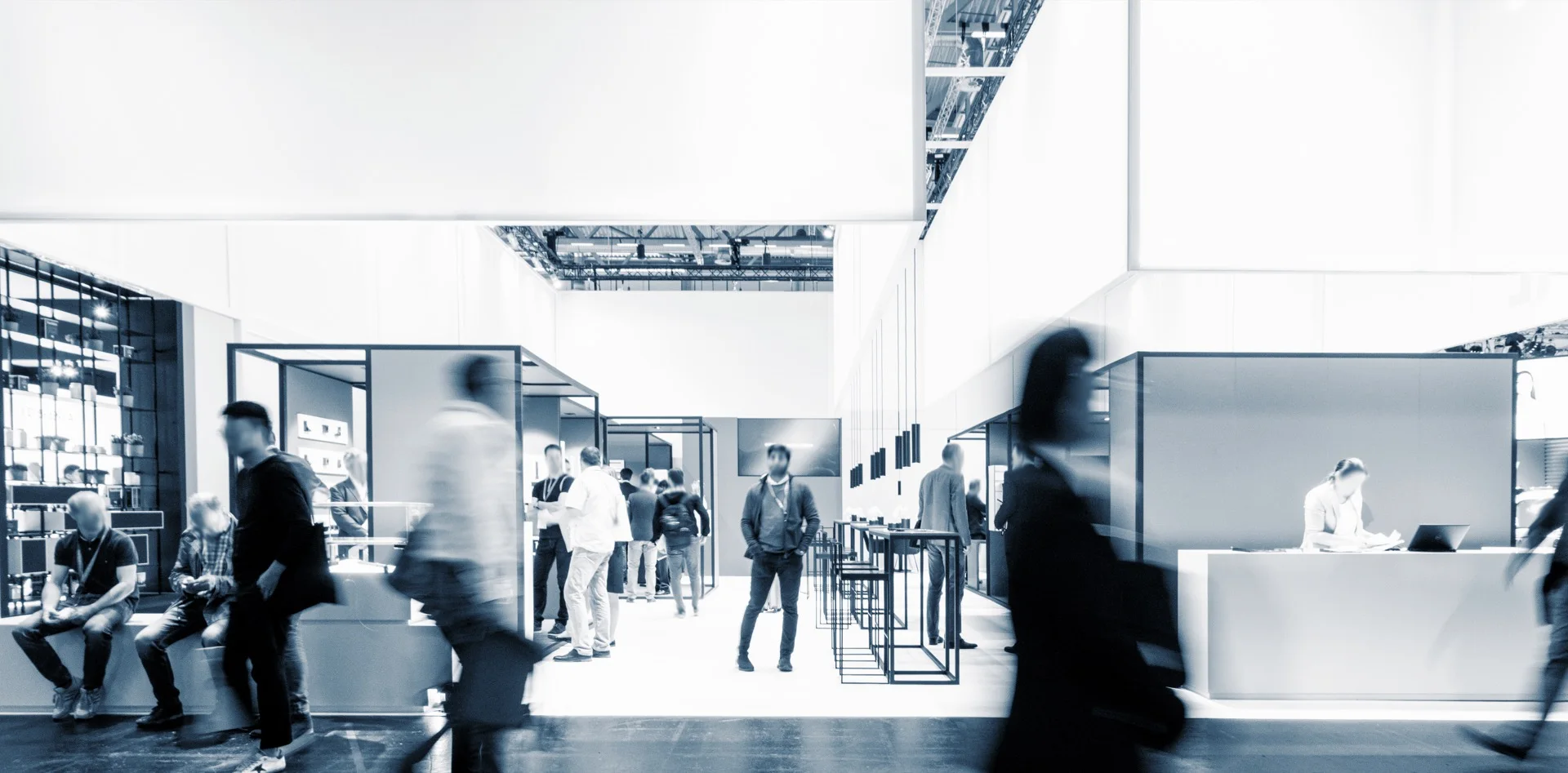
A product launch should take guests from understanding one important feature to exploring it and asking their own questions. A presentation alone is not a hands-on experience, while putting a product on a station does not explain what to look for. The running order needs to connect those stages and establish what guests can do after the event.
Start with one sentence: what should someone understand about the product when they leave? Then choose the reveal, film, demonstration or live treatment. Each element should help explain the product rather than become a separate story with no continuation.
Choose one idea to demonstrate, not every feature to announce
The launch may be a guest’s first encounter with the product. The brand team usually knows it much better. What feels obvious to a presenter may still need an explanation. Instead of opening with a catalogue of functions, choose a problem or situation in which the product matters.
Agree how the proposed feature will be demonstrated and who signs off the product information. What is available now, what is being shown as a prototype and what remains a future announcement? Station staff need to understand those distinctions as clearly as the person preparing the slides. An impressive staging device should not be presented as proof of functionality that cannot be verified.
Write down what you are saying, how you will demonstrate it and what guests might ask. If a claim has no honest demonstration, change the scope of the message or explain the limitation of the demonstration.
The reveal starts the product encounter
A reveal can focus the whole room’s attention. The running order also needs to describe what happens immediately afterwards. Who explains the next step? Do guests remain seated, approach stations or move elsewhere? What happens for someone who wants to watch before taking part?
Lighting an exhibit does not necessarily tell people how to use it. A host announcement, visible staff and a clear route can connect the presentation with the rest of the event. Check that connection from the perspective of someone unfamiliar with both the product and the room plan.
If the event is streamed, give remote viewers an appropriate next step too. A camera showing people at stations does not provide the same opportunity to try the product. Viewers may need a guided demonstration, a way to submit a question or information about where they can explore the product later.
Define what a guest actually does at the station
“Guests can try the product” is not a complete instruction for a crew. Describe the action, what people need at the start and how they know the trial has finished. For a device, this might be a particular operation. For a service, it could be a worked scenario. The choice depends on what can genuinely be made available at the launch.
Check whether the experience is understandable without a lengthy introduction. Are staff repeating the entire presentation or helping people explore one element themselves? Can a guest decline and watch instead? A choice matters especially when an activity involves performing in front of others.
Plan the reset separately: materials, device state, tidiness and staff responsibility. If each trial needs a lengthy reset, that time belongs in the access plan. Do not base the number of possible trials solely on how long a visitor holds or uses the product.
Walk the route from the presentation to the demonstration
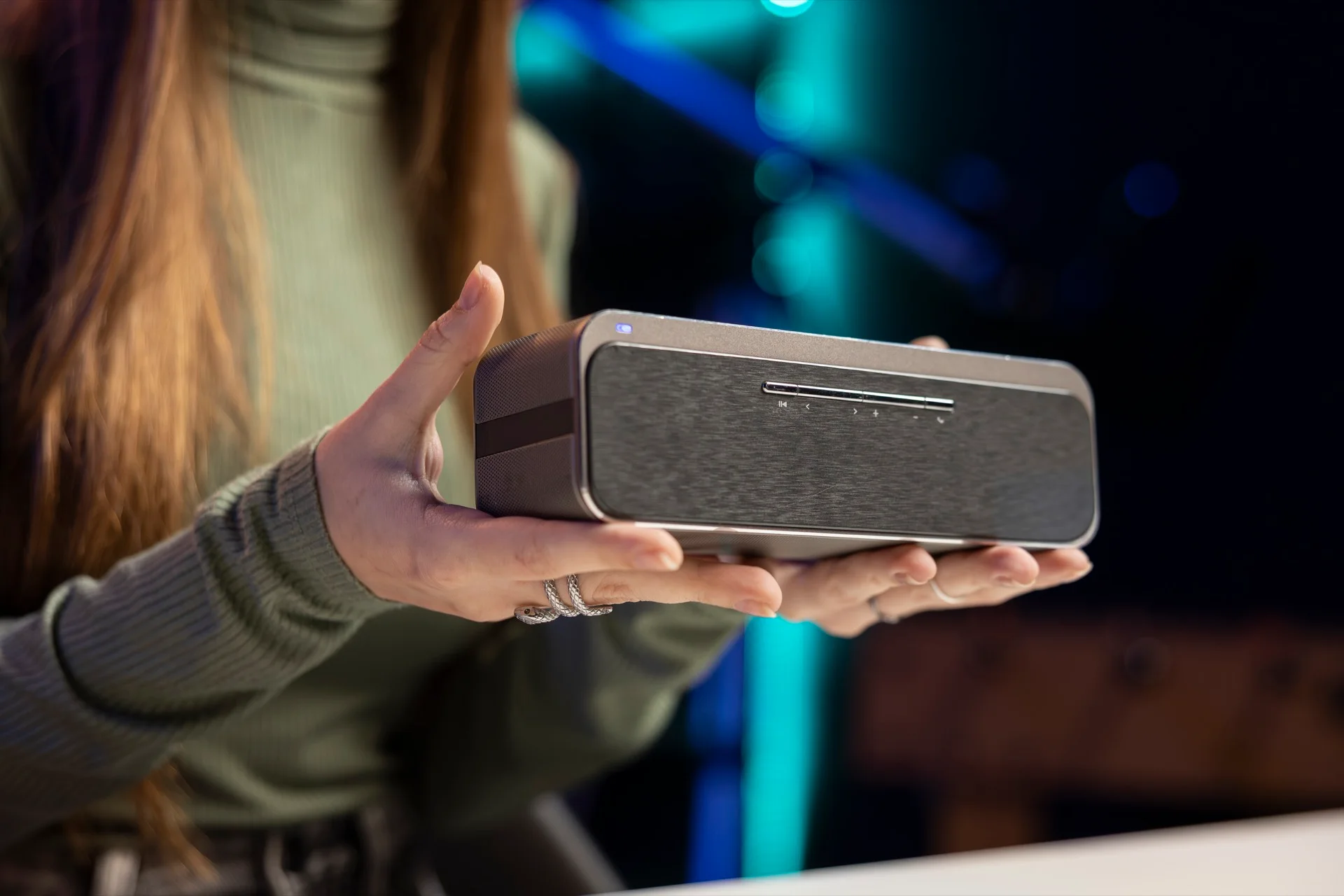
Station numbers should follow expected visitor flow, service time and venue conditions. Before confirming the layout, walk the whole route: leaving the presentation, finding a station, waiting, taking part and moving to a conversation or another part of the event.
A demonstration queue should not block the product view or double as the place for a private discussion. Separate short operational questions from topics requiring consultation. Agree how to help someone who wants to return later rather than leaving them with an indefinite instruction to wait.
Sound, light and other environmental conditions may affect how a feature is perceived. Agree the demonstration method with the product lead and technical team. A trial in unsuitable noise or lighting may fail to answer the question a visitor came to explore.
Let the conversation build on the experience
After trying the product, guests may ask about applications, availability, implementation or limitations. Staff should know which questions they can answer and where to direct the rest. The person coordinating a queue should not be expected to replace a product specialist.
Give presenters and station staff one current source of product information. Conflicting answers about capabilities or availability can undermine the presentation. Where an answer needs checking, establish how it will reach the person asking instead of filling the gap with a guess.
Make the purpose of any follow-up clear: materials, a meeting, another trial or an answer to a particular question. If contact details are requested, explain their intended use and agree the collection process with the responsible person at the brand. Taking part in a demonstration should not automatically be treated as a request for a sales conversation.
A working model: one feature, one action, a personal question
This is a planning model, not a MOVYTZA case study. Imagine guests need to understand how to operate a new device. The presentation establishes one use situation, and the demonstrator performs an action visitors can then explore themselves.
The host explains where the stations are and how participation works. Guests choose to try or observe. Station staff help them begin and, afterwards, invite a question about their own intended use. Another person can take over a longer discussion without stopping subsequent trials.
Each stage has a continuation: the presentation provides context, the station makes the action tangible and the conversation relates it to the visitor’s needs. This is not a mandatory sequence for every launch. Where a product cannot be made directly available, design another honest way to explore it and explain its limitations.
Decisions to settle before the launch rehearsal
Keep the following together:
- The main message and the person signing off product information.
- What is an available product, a prototype or a future announcement.
- The visitor action and the reset before the next trial.
- The route after the presentation, waiting arrangements and an option for observers.
- Staff roles covering information, demonstrations, consultation and coordination.
- Current materials and a process for questions without an immediate answer.
- The next step for guests in the room and, where relevant, remote viewers.
Rehearse the whole journey, not just the reveal. Ask someone unfamiliar with the product to follow it. Their questions can expose missing explanations, unclear instructions and a gap between the trial and the conversation.
For brand activations and live experiences, the format should support a person’s encounter with the product. A useful product launch brief therefore includes more than a date and a stage idea: what should guests understand, what can they explore and who can they speak to afterwards?