7 MIN CZYTANIA
8 Creative Corporate Event Invitation Ideas
OPUBLIKOWANO
Eight creative corporate event invitation ideas — from personalised gift boxes and puzzles to films, live performances and interactive concepts that build anticipation before the event begins.
A corporate event invitation is the first part of the experience
An event does not begin when guests enter the venue. In many cases, it begins days or even weeks earlier — with the invitation.
A date, address and RSVP link may be all you technically need. But if the event itself is built around a strong concept, the invitation can do much more. It can introduce the story, establish the atmosphere and give guests their first clue about what is going to happen.
That is why we like to treat invitations as part of the event design rather than as a separate piece of communication.
Below are eight ideas based on one simple principle: the form of the invitation should make sense in the context of the event.
1. A personalised event gift box
A physical invitation can become a small experience in itself. Instead of sending a conventional card, you can create a personalised gift box containing objects, messages or clues connected with the event.
The strongest gift boxes are not simply collections of branded merchandise. They tell a story. The order in which the recipient discovers the elements, the packaging, copy, materials and final reveal can all become part of the narrative.
This format works particularly well for conferences, product launches, executive meetings and events where the guest list is limited enough to justify a more individual approach.
We also use this approach in our creative invitation projects, where the invitation becomes the first chapter of the event rather than just its announcement.
2. A puzzle invitation
Instead of revealing everything immediately, send the invitation as a puzzle that needs to be assembled before the full message appears.
The mechanism can be very simple: an image divided into pieces, a physical object with several layers or information revealed step by step. The act of solving it creates a small moment of participation before the event has even started.
There is also a useful metaphor here: separate pieces becoming one complete picture when people come together.
Just make sure the creative device does not hide essential practical information. Guests should enjoy solving the invitation, not conduct an archaeological expedition to discover the event address.
3. A map or treasure-map invitation
If the event involves travel, outdoor activities, an unusual venue or an adventure-based concept, the invitation can take the form of a map.
Locations, clues and visual markers can gradually lead guests towards the destination. For a themed event, the map itself can already belong to the fictional world of the evening.
This works particularly well when reaching the venue is part of the experience — for example during outdoor events, team-building formats or events built around exploration.
4. A comic-book invitation
A short comic can introduce the event through characters and narrative rather than conventional corporate copy.
The company, employees or fictional characters can become part of the story, while the final frame reveals the date, location and purpose of the event.
This format naturally suits pop-culture, superhero and themed events, but it can also work as a deliberately unexpected contrast for a corporate audience.
The key is not to create a comic simply because it looks unusual. It should introduce a story that continues when guests arrive.
5. A video invitation
A short film gives you something a printed invitation cannot: time, movement, sound and suspense.
It can take the form of a cinematic trailer, a message from the host, a fictional scene, a teaser or a short piece of storytelling that reveals the event gradually.
Video is particularly useful when the event already has a strong visual identity or when the invitation needs to reach a geographically dispersed audience.
It can also become the beginning of a wider communication sequence: teaser, invitation, reminder and finally the event itself.
6. A music-based invitation
If music is an important part of the event, use it before the event begins.
The original idea behind this format was a physical carrier — for example a USB drive or card containing music connected with the evening. Today the same principle can be applied more flexibly: a curated playlist, an original composition, a personalised audio message or a soundtrack that introduces the atmosphere.
The point is not the technology used to deliver the music. The point is to let guests hear the world of the event before they see it.
7. Turn the invitation into a live performance
This is the most theatrical option: do not send the invitation. Stage it.
Imagine employees working as usual when performers suddenly enter the space in costumes connected with the event concept. They move through the office, factory or company venue and hand out invitations as part of a short performance.
The invitation becomes a happening — a small live event announcing the larger one.
This approach can be particularly effective for internal corporate events because it immediately creates conversation between employees. The invitation is no longer something sitting in an inbox. It becomes something people witnessed together.
It also works naturally with themed event concepts, where the performers can introduce the world guests will later enter.
8. A riddle or interactive challenge
Instead of providing all the details directly, create a sequence of riddles or tasks that gradually reveals the event.
Each solved clue can uncover another piece of information: the theme, location, dress code or programme. For teams, the invitation can even become a collaborative challenge.
This format introduces play and competition before the event itself and can work particularly well when interaction is already part of the main concept.
Again, there is a practical limit. Mystery is useful. Making 300 employees solve a cryptographic puzzle before they can discover what time the bus leaves is less useful.
Bonus idea: a balloon invitation
One more physical idea from our original list is an invitation hidden in or revealed through a balloon.
The message can appear after inflation, be attached inside the packaging or form part of a larger delivery. It is simple, visual and deliberately playful.
As with every unconventional invitation, the question is not whether it is surprising. The question is whether the surprise fits the people, brand and event.
How do you choose the right invitation format?
Before designing anything, answer a few practical questions:
- Who is receiving it? Employees, clients, partners, executives or a mixed audience?
- What is the event about? A gala, conference, anniversary, team-building event or product launch?
- What should guests feel? Curiosity, prestige, excitement, humour, mystery or exclusivity?
- How many invitations are needed? A handcrafted concept for 40 guests is a different production challenge from a campaign for 2,000 employees.
- Does the idea connect with the event? If the invitation promises one world and the event delivers another, the concept breaks before the doors even open.
There is no requirement for an invitation to be extravagant. Sometimes an elegant, beautifully designed card is exactly right. Creativity becomes valuable when it strengthens the idea rather than when it merely adds another object.
The invitation as part of event storytelling
The most interesting possibility is to connect the invitation with what happens later.
An object delivered to a guest can reappear in the scenography. A symbol introduced in a film can become part of the stage design. A riddle can lead to an installation at the venue. A performer who delivered the invitation can return during the event.
Then the invitation stops being a marketing accessory and becomes part of the dramaturgy.
That is the approach we find most useful at MOVYTZA: designing the guest experience as one sequence, from the first contact with the event through arrival, programme and final moment.
See it in practice: creative invitations by MOVYTZA
An invitation can be a printed card. It can also be the first scene of the event.
Below are three projects in which we approached the same problem — how to make the invitation itself part of the experience — in three completely different ways.
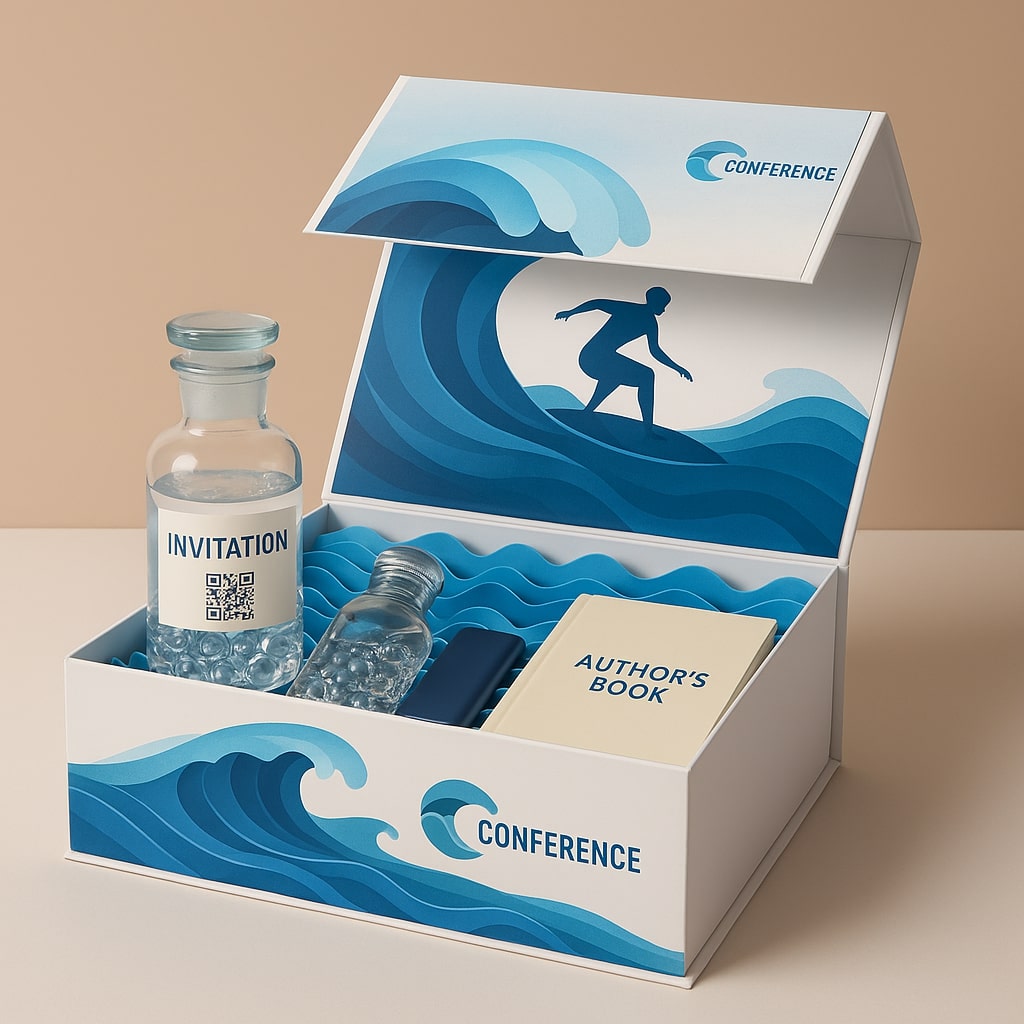 Creative VIP Invitations
Storytelling, prototyping, production and personalisation — an invitation designed as the beginning of the conference experience.
View case study →
Creative VIP Invitations
Storytelling, prototyping, production and personalisation — an invitation designed as the beginning of the conference experience.
View case study →
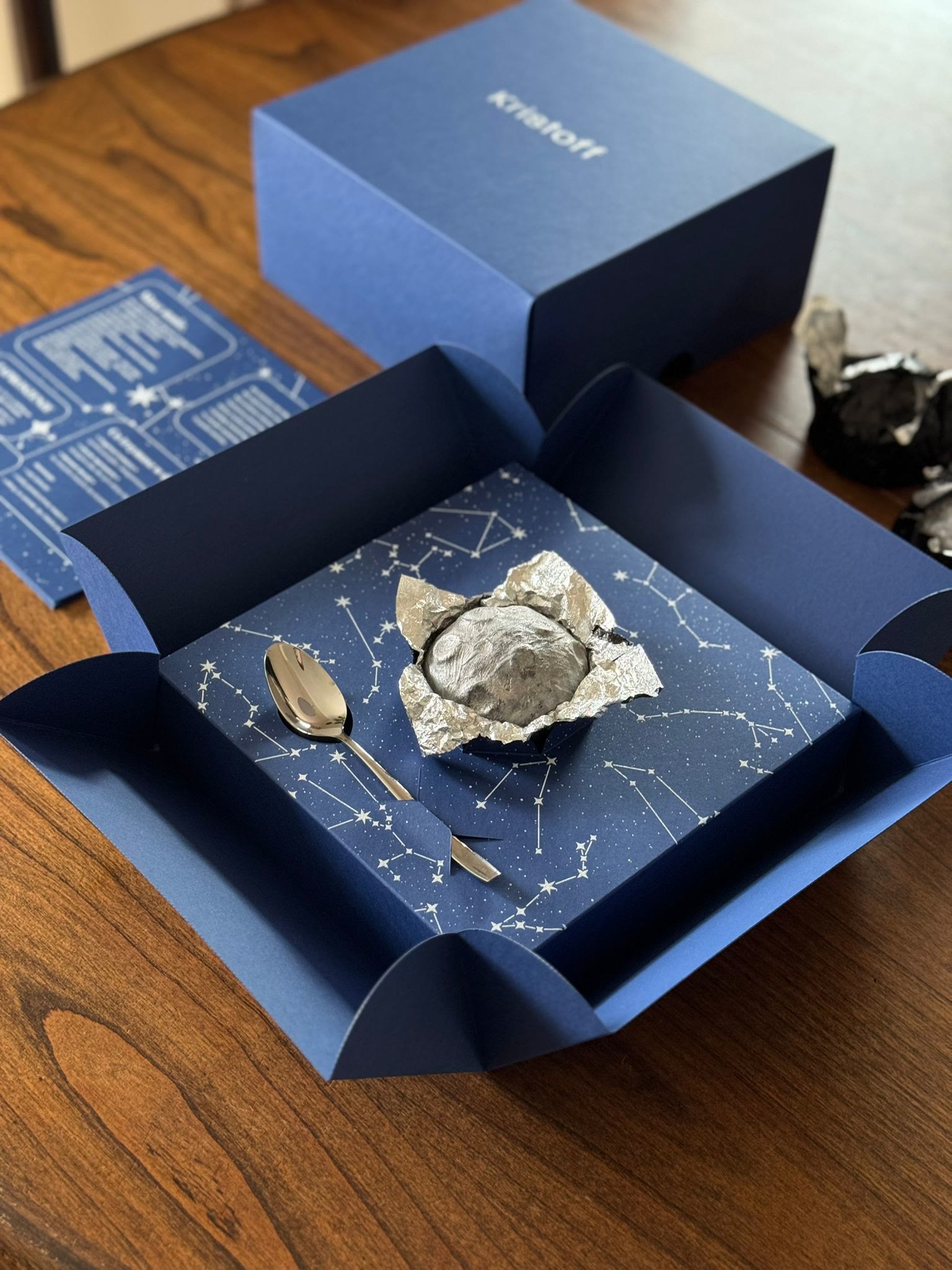 Fly Me to the Moon
A handcrafted interactive gift box that turned the anniversary invitation into a miniature piece of scenography.
View case study →
Fly Me to the Moon
A handcrafted interactive gift box that turned the anniversary invitation into a miniature piece of scenography.
View case study →
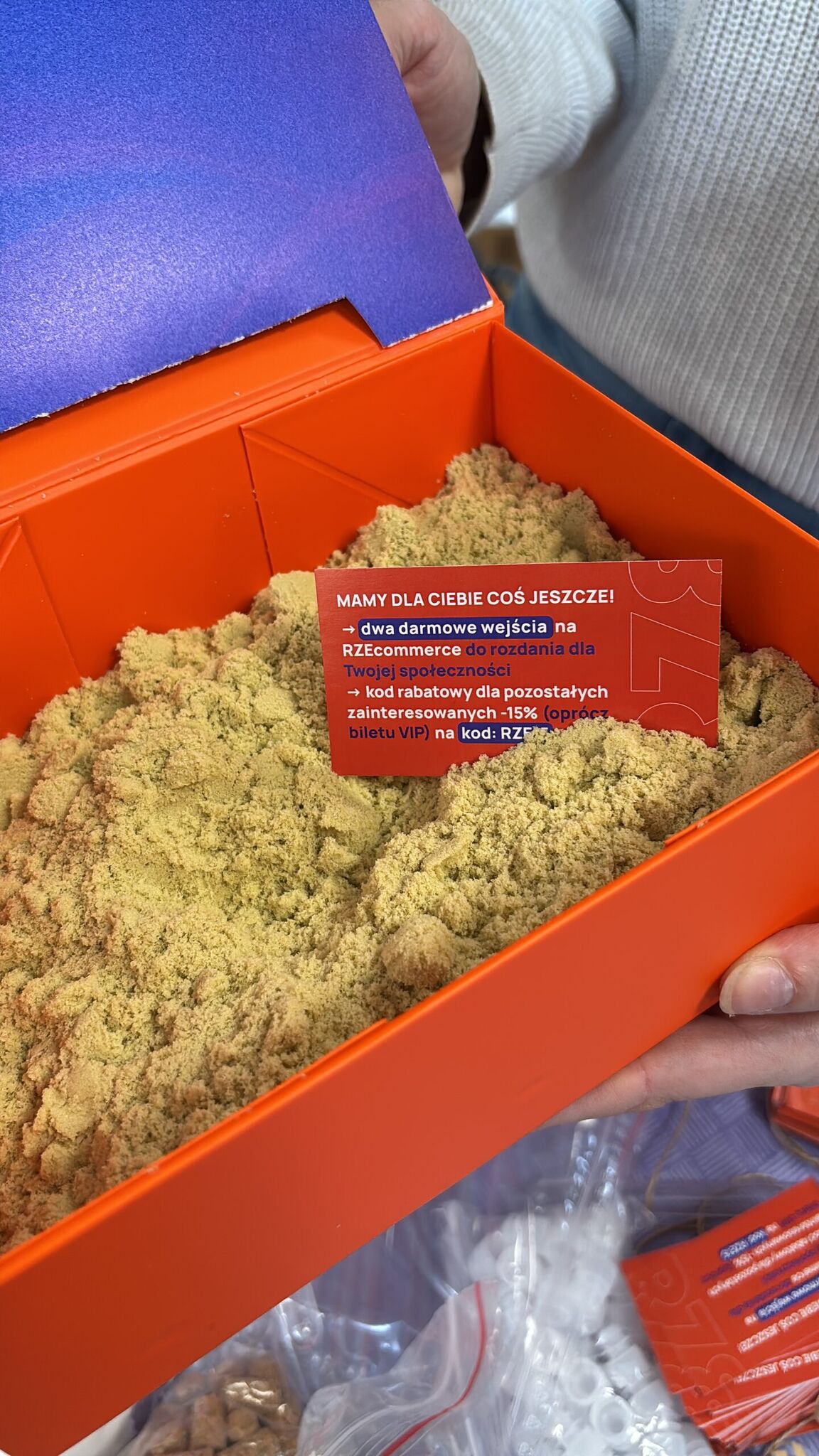 Creative Invitations
A Californian-inspired invitation developed through several creative directions, prototyping and real-world budget optimisation.
View case study →
Creative Invitations
A Californian-inspired invitation developed through several creative directions, prototyping and real-world budget optimisation.
View case study →
Explore MOVYTZA creative invitations and gift boxes →
Need a creative invitation for your corporate event?
MOVYTZA develops creative invitations as part of wider corporate event concepts — from personalised gift boxes and physical objects to storytelling, film and live performance.
If you already know what you are organising, we can design an invitation that introduces that world. If the event concept is still being developed, the invitation can be designed together with it from the beginning.
See our creative corporate invitations or tell us about your event.